Roof Leak Prevention Tips for Benbrook TX Homes from a Roofing Company
A leaking roof does more than stain a ceiling. It undermines insulation, invites mold, and can turn an otherwise manageable repair into an insurance fight and a major expense. For homeowners in Benbrook, TX, the weather and local building trends shape the risks and the practical steps that keep roofs watertight. This guide comes from hands-on experience repairing and replacing shingles in this area. It explains what matters first, what you can do this weekend, and when to call a pro like AKS Roofing & Construction.
Why prevention matters here Benbrook sits close enough to Fort Worth to get the same mix of summer heat, sudden downpours, and occasional hail. Those conditions accelerate wear on asphalt shingles, expose flashing weaknesses, and push drainage systems to the limit. Preventive action often costs a fraction of a repair after water has been sitting in rafters or has run inside walls. Preventing leaks keeps your indoor air healthier, preserves resale value, and reduces the chance of secondary damage that is not covered by standard policies.
Read the roof, not just the shingles Most homeowners think a roof leak originates at a missing shingle. Sometimes that is true, but often the problem is one of three other things: flashing around chimneys, valleys where two roof planes meet, and clogged drainage. Flashing corrodes over time or can be improperly seated during installation. Valleys concentrate water flow; a small obstruction or poor sealing shows itself quickly there. Gutters and downspouts that do not move water away from the foundation force roof runoff to linger near edges and under eaves.
Signs your roof is at real risk Minor signs can predict major failures if ignored. Watch for these changes and act sooner rather than later.
- Dark streaks on ceilings that shift or grow after rains.
- Interior paint peeling near exterior walls, especially on the top floor.
- Granules collecting in gutters more than once a season, or visible bald spots on shingles.
- Loose or cracked flashing around vents, skylights, or chimneys.
- Sagging sheathing or soft spots in the attic floor when you walk.
If you see any of the above, prioritize inspection. A quick attic check after a storm shows active drips, stains, and the entry points for water. If climbing into the attic is not something you do often, hire a professional inspection instead of guessing.
Seasonal maintenance that actually prevents leaks Routine upkeep reduces surprise repairs and stretches the life of common roofing systems in Benbrook. The following checklist is compact and practical; perform it at least twice a year, and after major storms.
- clear gutters and downspouts, verify water flows freely to splash blocks or safe drainage.
- trim overhanging branches that rub shingles and drop leaves onto the roof.
- inspect roof penetrations, reseal around vents, skylights, and chimneys where sealant shows gaps.
- replace cracked or loose shingles and reset any that have lifted after wind events.
- examine attic insulation and ventilation, ensuring minimal moisture and even airflow.
These five tasks are not all equally hard. Clearing gutters and trimming branches you can do with modest tools and caution. Resealing flashing and replacing shingles may require a ladder, basic roofing materials, and safety gear. If you are uncomfortable at height or on a steep slope, call a licensed crew. AKS Roofing & Construction handles these sorts of seasonal tune-ups quickly, and they can document condition for insurance purposes if needed.
Practical fixes that save money Not every problem requires a full roof replacement. Small, targeted repairs extend the useful life of a roof and keep leaks at bay. Here are fixes that homeowners commonly undertake or ask professionals to perform.
Patching around penetrations Skylight frames and plumbing stacks are typical leak points. A tube of roofing cement and some high-quality flashing tape can stop small gaps. For long-term results, install metal flashing properly slipped under adjacent shingles and tied to the frame with screws and sealant. Temporary caulk can fail quickly in strong sun and heat, so treat it as interim until a correct flashing repair is done.
Valley reinforcement When two slopes meet, water speeds up and removes granules faster. Reinforcing valleys with ice and water shield or metal valley flashing prevents water infiltration, especially during heavy downpours. On an aging roof, replacing shingles in the valley area every few years reduces the chance that underlying felt becomes exposed.
Gutter pitch and extension Gutters that sit level hold water and speed corrosion at seam joints. Ensuring gutters have a slight pitch toward downspouts and adding downspout extensions to carry water at least three to five feet from the foundation prevents overflow under eaves. That keeps moisture from seeping into fascia boards and under shingle edges.
Attic ventilation and insulation Heat trapped in the attic stresses shingles from below, while inadequate ventilation allows moisture to accumulate and rot sheathing. A balanced approach with soffit intake and ridge or gable exhaust keeps temperature and humidity consistent. Adding insulation where needed also reduces ice-related problems in cooler months, though in our region the main benefit is comfort and lower cooling bills. Proper ventilation extends shingle life and reduces leak risk.
When replacement is the wiser choice There is a point when repairs pile up and replacement is a sound investment. Common indicators include widespread granule loss, multiple active leaks, recurring repairs within a few years, and roof age. For typical 3-tab asphalt shingles, 20 to 25 years is a reasonable service life if the roof has been maintained. Architectural shingles can often go longer. Have a professional evaluate if more than 30 percent of the roof shows significant wear. Sometimes replacing the roof becomes cheaper than ongoing patchwork, and a full replacement allows you to upgrade underlayment and ventilation for long-term peace of mind.
Insurance and hail: how to approach claims Storms in the Fort Worth area bring hail that dents metal, bruises shingles, and creates spots that later shed granules. If a storm causes visible damage, document everything. Take photos from the ground and from a safe vantage point if possible. Keep receipts for tarps, temporary repairs, or emergency work. Contact your insurance agent early; many policies cover storm-related damage though deductibles and terms vary.
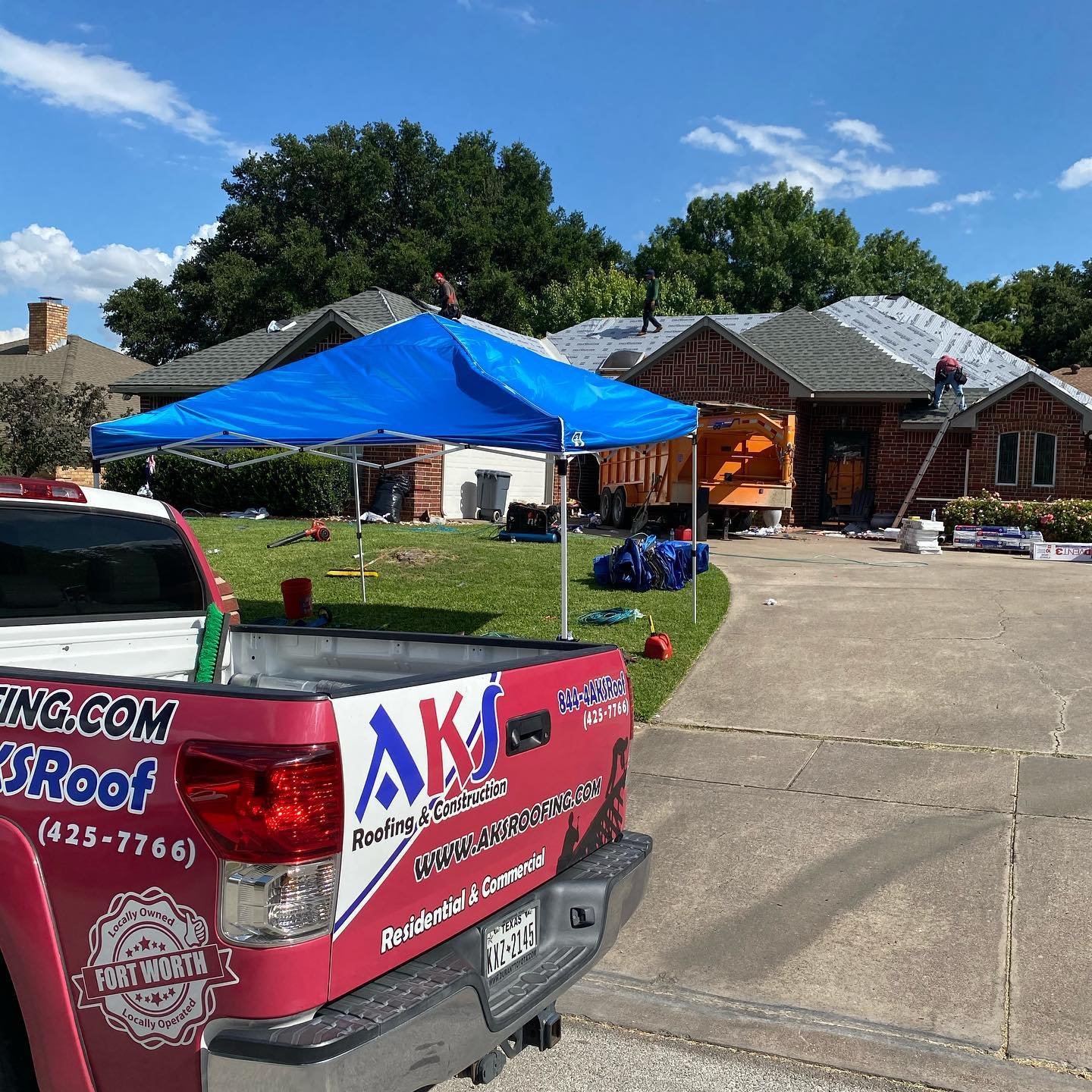
A roofing company can help with the claims process without pushing unnecessary work. A reputable company will document damage, provide a clear scope of repair, and work with adjusters rather than relying on vague promises. AKS Roofing & Construction has experience coordinating with adjusters in this region, which speeds repairs when insurance is involved.
Choosing the right contractor Selecting a roofing company Benbrook TX homeowners can trust requires more than price shopping. Ask for proof of insurance and licensing, check references, and insist on a written estimate that details materials and labor. Beware of door-to-door sales immediately following a storm that pressure you to sign on the spot. Quality contractors will schedule inspections, explain trade-offs between materials, and give a timeline.
Make these criteria part of your decision process
- verification of general liability and workers compensation insurance.
- manufacturer certifications for installed shingles when available.
- clear warranty language, both for materials and workmanship.
- local references and recent project photos.
- written contract with payment milestones tied to completed work.
Guarantees matter. A manufacturer warranty covers the shingle product, but workmanship warranties protect you from leaks caused by poor installation. Always get both in writing. A contractor who offers long-term workmanship warranties shows confidence in their technique and materials.
A realistic look at costs Roof repair costs vary by scale. Minor flashing repair or a few shingle replacements may range from a few hundred to a couple thousand dollars. Larger repairs involving multiple roof planes, decking replacement, or full re-roofing can be several thousand to tens of thousands depending on square footage, materials, and complexity. When a contractor provides an estimate, ask for line-item pricing: materials, labor hours, disposal fees, and any structural repairs. This prevents surprises and allows you to compare bids fairly.
Energy and material choices Shingle color and reflectivity influence attic temperatures and energy bills. Lighter, reflective shingles reduce heat absorption in summer, which helps cooling systems work less. If you plan to stay in your house long term, investing in an architectural shingle or a higher solar-reflective option pays back through lower cooling load and possible rebates. Metal roofs are more expensive up front but excel at shedding water, resisting hail, and lasting longer. For Benbrook homeowners contemplating an upgrade, weigh upfront cost against longevity and energy savings.
Small habits that prevent big leaks Good roof care is partly habit. Walk the perimeter after major storms if you can do so safely from the ground. Check attic access twice a year for signs of humidity or staining. Keep trees trimmed back so limbs do not abrade shingles or drop debris into valleys and gutters. Replace small roof penetrations and weak sealant promptly, particularly around rooftop HVAC units or solar installations where vibration can loosen fasteners.
A quick anecdote from the field On a hot August day, a homeowner called complaining of a steady drip despite new shingles installed less than five years earlier. We found that the issue started at Benbrook roofers the chimney flashing. During the re-roof, the installer had not properly integrated the base flashing under the new shingles, leaving a gap that allowed wind-driven rain to enter. The fix was straightforward once located, but the homeowner had tolerated the leak for months, and interior trim had begun to swell. The lesson: installation details matter as much as materials, and an on-site inspection saves weeks of damage if handled early.
When to call AKS Roofing & Construction If you notice active leaks, visible damage after hail, or if your roof is more than 15 years old and showing multiple signs of wear, schedule a professional inspection. AKS Roofing & Construction offers diagnostic inspections, clear written scopes, and the ability to perform both small repairs and full replacements. Their crews document existing damage and recommended repairs, which streamlines interaction with insurers and gives homeowners confidence about the work that will be done.
A simple Roofing company Benbrook TX plan for every homeowner Begin with a seasonal inspection and the five-item maintenance checklist above. Prioritize flashing and valley checks, keep gutters clear, and maintain attic ventilation. When repairs are needed, compare contractors on written estimates, insurance, and warranties rather than price alone. If a storm has caused damage, document and contact your insurer early, and choose a local roofing company Benbrook TX residents recommend to manage the process.
Protecting your roof is protecting your home Leaky roofs escalate risk quietly. Regular attention, targeted repairs, and smart contractor selection prevent most leaks and save thousands over a decade. Whether you do the gutter cleaning yourself or hire AKS Roofing & Construction to inspect flashing and reinforce valleys, small investments now spare big repairs later. Keep an eye on your roof after storms, maintain good attic ventilation, and prioritize sealing around penetrations. Those steps will keep your home dry and the inside of your house worry free.
AKS Roofing & Construction
955 Winscott Rd, Benbrook, TX 76126
+1 (817) 501-9715
[email protected]
Website: https://aksroofing.com